Branded Versus Generic: What the Premium Buys
Supplement branding operates at two levels, and telling them apart is worth real money.
Ingredient brands versus product brands
An ingredient brand appears inside the Supplement Facts panel — BioPerine®, Meriva®, AKBA-standardised boswellia. These usually denote a specific, standardised, characterised material, often with published research attached to that exact form.
A product brand is the name on the bottle. It denotes marketing and packaging, and tells you nothing about what is inside.
Why ingredient brands can be worth paying for
When a study was conducted on a specific branded extract, buying that extract means buying the thing that was tested. A generic version at the same nominal weight may differ in standardisation, extraction method or the actual compound profile.
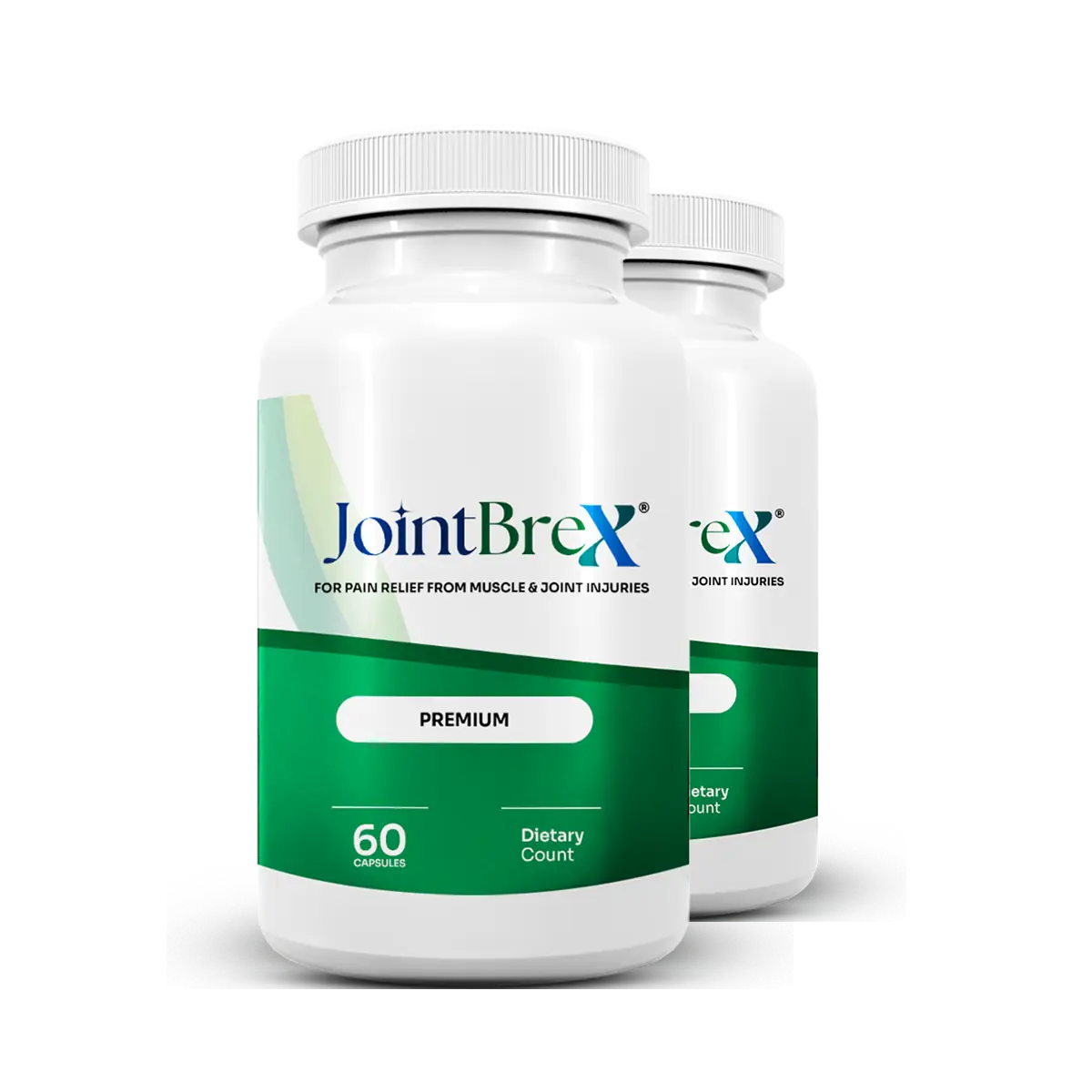
BioPerine on the JointBrex panel is a legitimate example. Naming the branded standardised extract tells you more than "black pepper extract" would, and it is the one line on that panel where the disclosure leaves nothing to guess at.
Why product brands usually are not
A distinctive bottle and an invented name add nothing to the contents. Two products with identical panels are identical products regardless of what the front labels look like, and the price difference between them is a marketing budget.
The test
Cover the front of the bottle and read only the Supplement Facts panel. If two products look the same there, they are the same. Any premium you are paying is for the part you covered up.
Where the premium goes on direct-response products
Supplements sold through long single-page websites rather than retail carry costs that shelf products do not: affiliate commissions, advertising spend, and the copywriting that fills the page. Those are real costs and they are recovered in the price.
None of them appear in the capsule. That is not an accusation — it is just where the money goes, and it explains why a direct-response product often costs several times a retail equivalent with a similar panel.
The one genuine exception
Third-party testing. Some manufacturers pay for independent verification that the contents match the label, and publish certificates of analysis. That is a real cost producing a real assurance, and it is worth something in a category where labelling accuracy is not guaranteed.
Ask for a certificate of analysis. The response, including no response, tells you a good deal.
Sources
Pricing and the Figures That Conflict
Some people will read the comparison and want to try it anyway, which is a legitimate choice. If that is yours, the pricing page carries current totals, the numbers that do not agree between tables, and the interactions to raise with a pharmacist.
Pricing and Warnings →