Frequently Asked Questions
Ordered roughly by how much each answer should move the comparison one way or the other.
The two answers that matter most
On value: roughly $4.66 per 100 mg of curcuminoids, against a plainly labelled extract supplying many times the dose for a fraction of that. On description: five of the six advertised ingredients are absent from the Supplement Facts panel.
Unfavourably on dose, disclosure and cost. Roughly 35 mg of curcuminoids per day against 500 mg or more, at about $1.63 a day. It also prints a verifiable curcuminoid figure for less than a third of its turmeric content, where a standardised product prints it for all of it.
It is what you pay divided by the amount of the compound you are buying it for. Cost per bottle is meaningless when bottles contain wildly different amounts. On the six-bottle kit JointBrex works out at roughly $4.66 per 100 mg of curcuminoids — run the same sum on any competitor and the comparison answers itself.
Three things, and we record them. The BioPerine is correctly chosen and dosed at the standard 5 mg, which many cheap turmeric products omit entirely. The 60-day guarantee is longer than most mainstream retailers offer. And the manufacturing claims are stated accurately rather than implying FDA approval.
Because the Supplement Facts panel describes a turmeric capsule. Comparing it against glucosamine formulas would let it compete on ingredients it does not contain, which would be unfair in its favour rather than against it.
We score it at zero. For an extra ingredient to add value it needs to do something relevant and be quantifiable. Its research base is in glaucoma, asthma and body composition rather than joints, and the label prints no standardisation percentage, so the amount cannot be established.
Prices move, formulations change, and we have tested nothing. Naming a bottle would turn a structural comparison into an endorsement we cannot support. The arithmetic on this site works on whatever product you find in front of you, which is more useful and stays true longer.
Correct, and it is the finding that would decide it for us. The sales page describes Glucosamine Sulfate, Chondroitin Sulfate, Boswellia, Turmeric, MSM and Bromelain. Five of those six appear nowhere on the Supplement Facts panel. Dose and capsule count conflict too — one capsule against two, thirty against sixty.
Not in this comparison. The argument would work against a poorly absorbed alternative, but most decent plain curcumin extracts include piperine at the same 5 mg, and the trials behind curcumin's reputation mostly used enhanced formulations too. The multiplier applies to both sides.
No, and it is worth saying. The same interactions apply more strongly at higher doses, and rare cases of liver injury have been reported with concentrated turmeric supplements, more often with high-absorption formulations. Moving to a properly dosed product is a pharmacist conversation.
Turmeric root extract 4:1 (75 mg), turmeric extract at 95% curcuminoids (30 mg), Coleus Forskohlii extract (15 mg) and BioPerine (5 mg) — 125 mg of actives in a gelatin capsule, one capsule per serving, thirty per bottle.
No. The capsule shell is gelatin, which is animal-derived, and the sales page does not mention it. Many plainly labelled alternatives use vegetarian HPMC capsules and state so on the panel.
Possibly, in three ways. Curcumin increases bleeding risk with warfarin and aspirin and may lower blood sugar. Forskolin lowers blood pressure and adds to antihypertensives and nitrates. BioPerine raises absorption of many drugs. A pharmacist will review your list free of charge.
We count them at zero. They are five PDF guides about peripheral neuropathy rather than joints, with values assigned by the seller and no market at which they trade. Including their stated $289 would distort the cost-per-day arithmetic that is the point of this site.
The six-bottle kit is $294 with free US shipping — the only figure consistent across the sales page and confirmable at the BuyGoods checkout. Smaller kits appear at two different prices in different tables on the same page, so read the checkout total before paying.
Then every cost figure on this site doubles. The kit would last ninety days rather than a hundred and eighty, cost about $3.27 a day, and supply roughly 70 mg of curcuminoids — still an order of magnitude below the research range, at twice the price.
Sources
What It Costs, and What That Buys
Set by the manufacturer and sold through BuyGoods. The comparison that matters is not bottle against bottle but cost per milligram of curcuminoids, which is where this product struggles most.
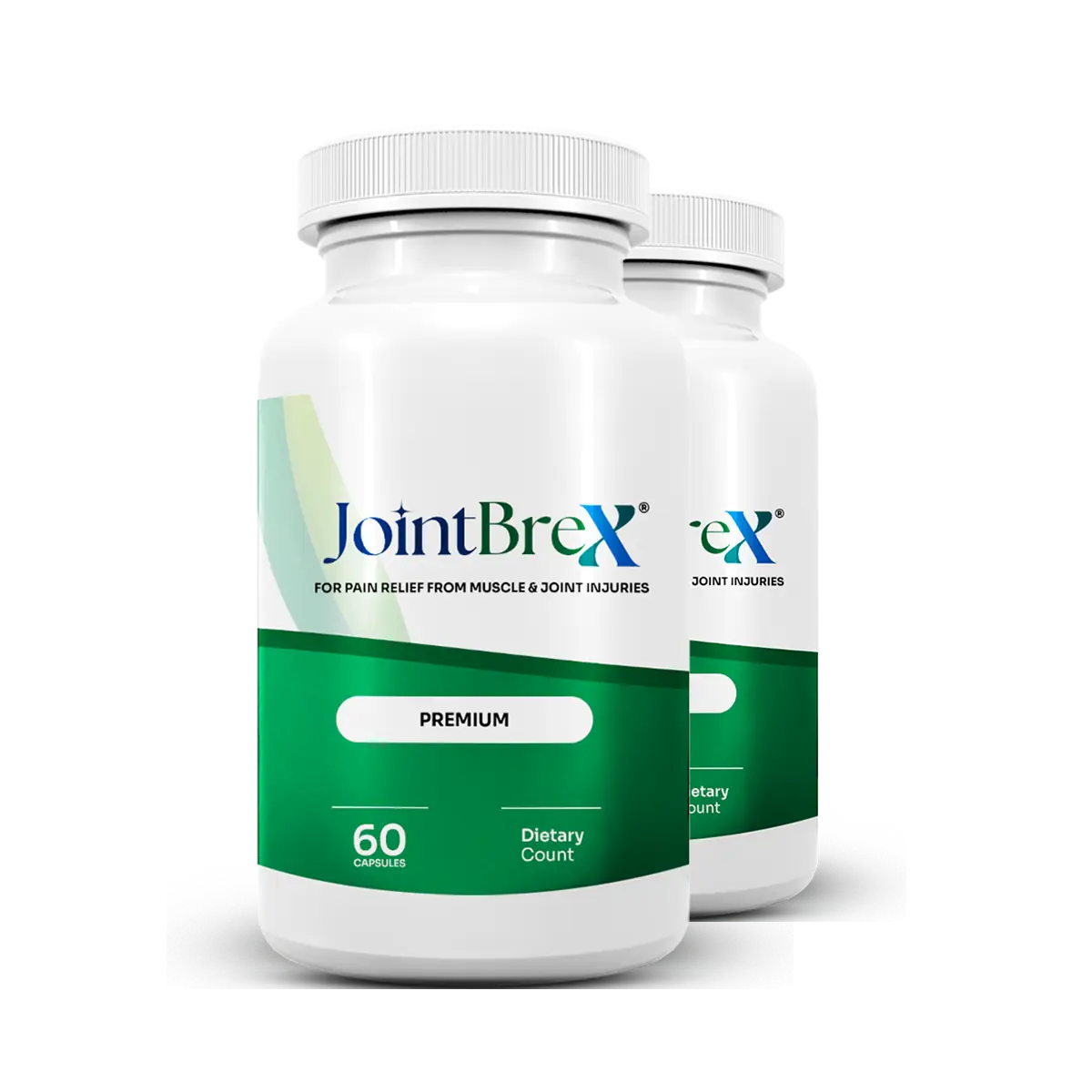
- Lowest per-bottle rate
- Includes the 5 digital bonuses
- 60-day guarantee
Struck-through figures are the manufacturer's published reference prices, not evidence that the product ever sold at them. "View Details" opens our pricing page and the official checkout link. We may earn a commission at no extra cost to you.
Pricing and the Figures That Conflict
Some people will read the comparison and want to try it anyway, which is a legitimate choice. If that is yours, the pricing page carries current totals, the numbers that do not agree between tables, and the interactions to raise with a pharmacist.
Pricing and Warnings →