Turmeric Compared: Where the Two Products Separate
Everything in this comparison turns on a single line, because turmeric is the only ingredient both products actually share.
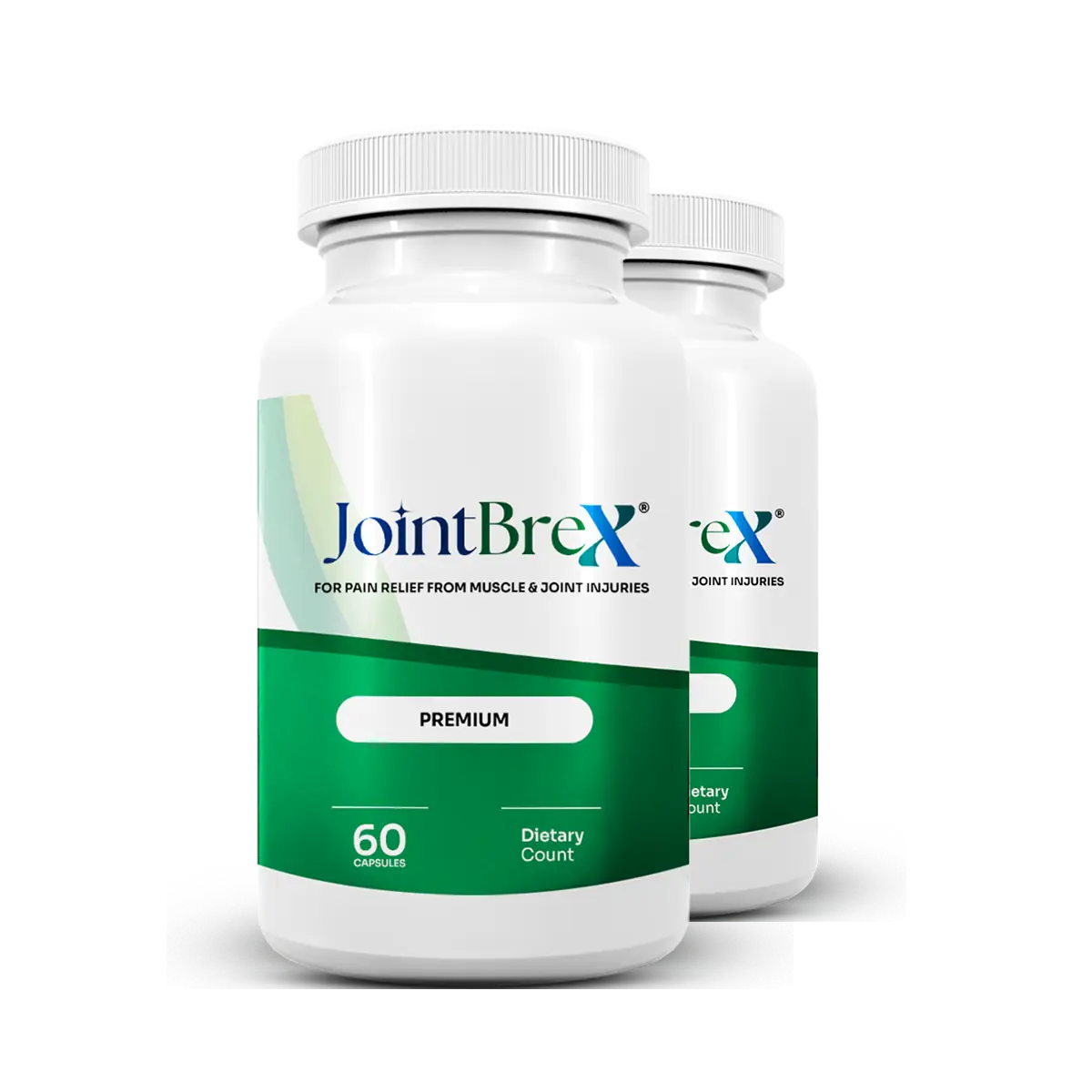
What JointBrex supplies
Two entries totalling 105 mg of turmeric material: a 4:1 root extract at 75 mg, and an extract standardised to 95% curcuminoids at 30 mg.
Only the second converts. Ninety-five per cent of 30 mg gives 28.5 mg of curcuminoids — a figure any buyer can calculate and set against any competing product.
What a plainly labelled extract supplies
Typically 500 mg or more of a 95% standardised extract, giving 475 mg of curcuminoids, with the percentage printed so the whole amount is verifiable.
The comparison in one figure
Roughly 35 mg per day against 500 mg or more. The research range that gives curcumin its reputation for joint symptoms begins at 500 mg. One product sits inside it; the other sits an order of magnitude below.
The disclosure gap, which matters as much
A 4:1 ratio describes how much raw root was concentrated during manufacture. It says nothing about what came out, and ratio extracts are typically far weaker on the marker compound than standardised ones of equal weight.
On this panel the ratio extract is the larger of the two turmeric entries. So the majority of the turmeric in this capsule cannot be entered into a comparison at all — you are asked to take it on trust while the smaller entry does the verifiable work.
Our estimate of 35 to 40 mg allows generously for the unquantified portion. A less charitable reading would put the figure closer to 28.5 mg.
Why the evidence is worth taking seriously on both sides
Curcumin is not a marketing invention. It has been tested in knee osteoarthritis across a number of randomised trials, several reporting reduced pain and stiffness, and a few comparing favourably against anti-inflammatory drugs on symptom measures with fewer gastrointestinal complaints. Within this category that is towards the better end of the evidence.
Which is precisely why the dose matters. An ingredient with real trial support, supplied at a fraction of the trial amount, is a name on a label rather than a reproduction of the research.
Cost per unit of active
At $294 for six bottles and one capsule daily, JointBrex costs about $1.63 a day for roughly 35 mg — approximately $4.66 per 100 mg of curcuminoids. Run the same arithmetic on any plainly labelled extract and the comparison resolves itself without needing to agree with anything else on this site.
Safety applies to both
- Anticoagulants and antiplatelets — increased bleeding risk with warfarin, aspirin, clopidogrel, and more so at higher doses
- Surgery — stop at least two weeks beforehand and tell the surgical team
- Gallstones or bile duct obstruction — turmeric stimulates bile production
- Diabetes medication — curcumin may lower blood sugar additively
- Liver — rare reports of injury with concentrated supplements, more often with high-absorption formulations
Worth stating plainly: moving to a higher-dose product is not automatically safer, and it is a pharmacist conversation rather than a comparison-table decision.
Sources
Also on the panel
Pricing and the Figures That Conflict
Some people will read the comparison and want to try it anyway, which is a legitimate choice. If that is yours, the pricing page carries current totals, the numbers that do not agree between tables, and the interactions to raise with a pharmacist.
Pricing and Warnings →