The Mechanism, and Whether Dose Changes It
The interesting thing about comparing these two products is that the mechanism is identical. Everything turns on quantity.
The shared mechanism
Osteoarthritis involves real inflammation in the joint lining, not just mechanical wear. Curcumin interferes with NF-κB signalling and other inflammatory pathways, which is well-documented biochemistry. Piperine solves curcumin's absorption problem, raising bioavailability around twentyfold.
Both a plainly labelled 95% extract with piperine and JointBrex rely on exactly this chain. Neither has invented anything.
Where they diverge
At the amount. Roughly 35 mg of curcuminoids against 500 mg or more, with the research range starting at 500 mg.
The absorption argument, examined fairly
It is sometimes argued that a well-absorbed small dose equals a poorly absorbed large one. There is something to this in principle, and it is why the BioPerine here deserves credit rather than dismissal.
But the trials used to justify curcumin for joints mostly used piperine or an enhanced formulation too. So the comparison is not enhanced-small against unenhanced-large. It is enhanced-small against enhanced-large, and the multiplier applies to both sides equally.
Does the extra ingredient change the mechanism?
Coleus Forskohlii raises intracellular cyclic AMP, a general-purpose messenger involved in a very wide range of processes. Its research history sits in glaucoma, asthma and body composition. Nothing connects it meaningfully to cartilage, synovium or joint pain in humans, and no standardisation percentage is printed, so the dose cannot be assessed.
So it does not add a second mechanism to compare. It adds an unquantified ingredient with no established relevance.
The mechanism the advertising describes
Rebuilding and re-hydrating cartilage. That belongs to glucosamine, chondroitin and MSM, none of which are on the panel, and it runs into biology regardless: cartilage has no blood supply and very limited repair capacity. There is no good evidence that any oral supplement rebuilds it.
What that means for the comparison
If you accept the curcumin mechanism, the correct response is to buy enough curcumin. If you do not accept it, neither product is worth buying. Either way the argument does not favour a low-dose version.
A caution about the alternative
Higher dose is not automatically better or safer. The same interactions apply more strongly, and rare cases of liver injury have been reported with concentrated turmeric supplements — more often with high-absorption formulations. Moving to a properly dosed product is a pharmacist conversation rather than a comparison-table decision.
Sources
What It Costs, and What That Buys
Set by the manufacturer and sold through BuyGoods. The comparison that matters is not bottle against bottle but cost per milligram of curcuminoids, which is where this product struggles most.
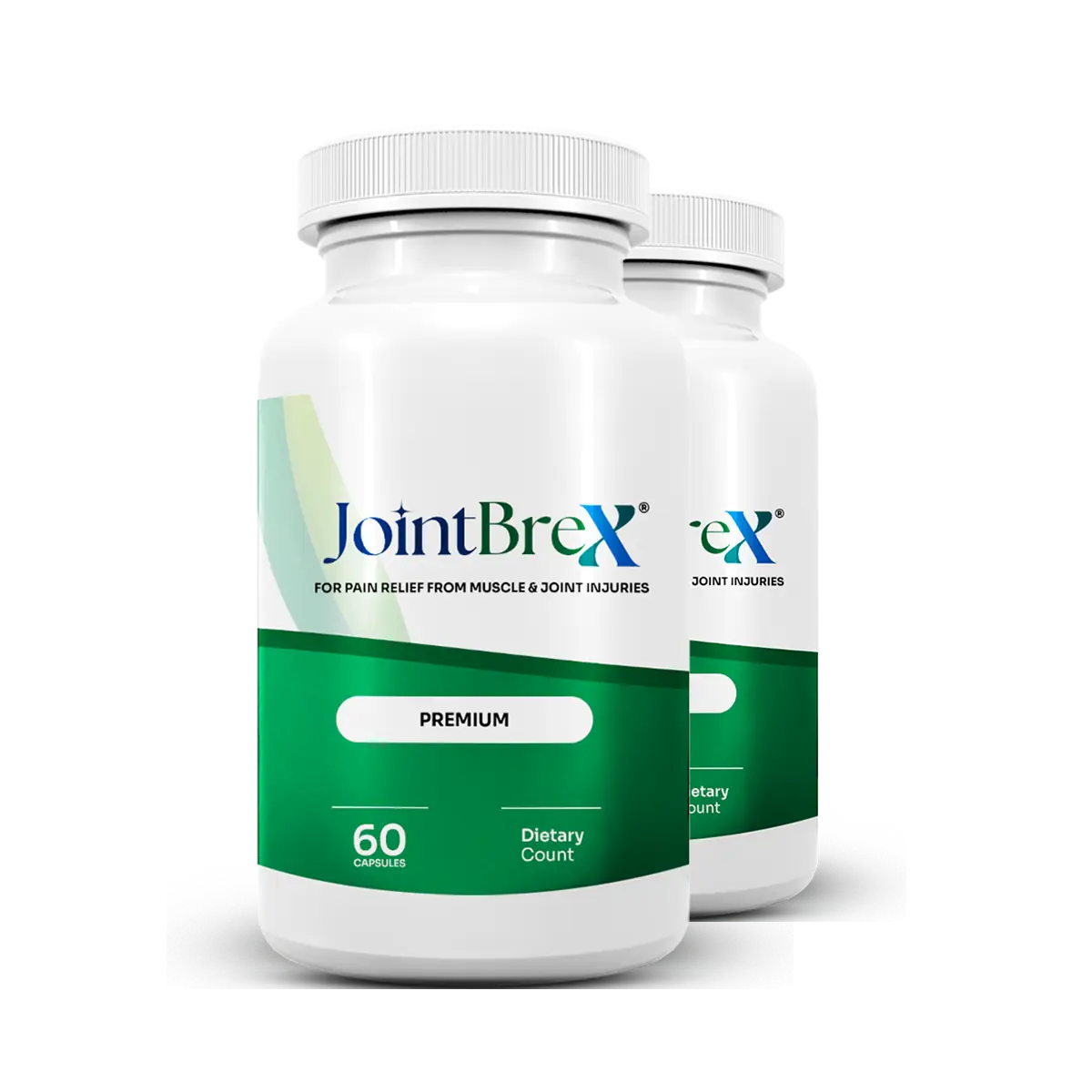
- Lowest per-bottle rate
- Includes the 5 digital bonuses
- 60-day guarantee
Struck-through figures are the manufacturer's published reference prices, not evidence that the product ever sold at them. "View Details" opens our pricing page and the official checkout link. We may earn a commission at no extra cost to you.
Pricing and the Figures That Conflict
Some people will read the comparison and want to try it anyway, which is a legitimate choice. If that is yours, the pricing page carries current totals, the numbers that do not agree between tables, and the interactions to raise with a pharmacist.
Pricing and Warnings →