The Full Comparison
Almost every supplement review compares a product against nothing at all, which is why almost every supplement review concludes that the product is worth trying. Comparison is what makes a recommendation mean something.
What we are comparing against, and why
A plainly labelled standardised curcumin extract with piperine — the kind of product sold by every mainstream supplement retailer, typically supplying 500 mg of curcuminoids or more per serving.
That is the fair comparison because it is what the Supplement Facts panel describes JointBrex as being: a turmeric capsule with an absorption enhancer. Comparing it against glucosamine formulas would mean competing on ingredients it does not contain.
Why we name no specific competitor
Prices move, formulations change, and we have tested nothing. Naming a product would turn a structural comparison into an endorsement we cannot support. The comparison holds on the shape of the two labels rather than on any particular bottle — and the arithmetic below works on whatever you find in front of you.
Comparison one: dose
JointBrex supplies roughly 35 mg of curcuminoids per capsule, taking the generous view of the unquantified 4:1 extract. A standardised 95% extract at 500 mg supplies 475 mg.
The reference point that matters is the research. Trials reporting joint benefit from curcumin generally used 500 to 1,500 mg of curcuminoids daily. One product sits inside that range and one sits an order of magnitude below it.
Comparison two: how much of the label you can verify
This is the comparison most people never run, and it may be the more important one.
A standardised extract prints its percentage, so every milligram on the panel converts into a known amount of active compound. JointBrex prints a percentage for 30 mg of its 105 mg of turmeric. The larger entry states a 4:1 manufacturing ratio, which cannot be converted, and the Coleus Forskohlii states nothing at all.
So a buyer can verify roughly a quarter of the active material in this capsule and must take the rest on trust.
Comparison three: cost
At the six-bottle price of $294, and following the label's one-capsule-daily instruction, the kit lasts 180 days at about $1.63 a day. That buys roughly 35 mg of curcuminoids, working out at approximately $4.66 per 100 mg of active.
Run that same sum on a plainly labelled extract and the gap is not marginal. We are not going to quote a competitor's figure, but the arithmetic takes two minutes on any product page.
One caution on our own number: it assumes one capsule daily. The sales page says two. If the sales page is right, the kit lasts ninety days and every figure doubles.
Comparison four: where JointBrex wins
A comparison that finds nothing in favour of one side is usually a bad comparison, so these are worth recording.
The absorption enhancer is correct. BioPerine at 5 mg is the standard commercial dose and it addresses curcumin's genuine bioavailability problem. Plenty of cheap turmeric products omit it entirely and waste most of their own ingredient. Whoever formulated this understood the real bottleneck.
The guarantee is longer. Sixty days exceeds what most mainstream retailers offer, though the 30-day use condition narrows it in practice — and the value of a guarantee scales with what you stand to lose, which cuts the other way here.
The manufacturing claims are stated accurately. GMP certified, made in an FDA-registered facility, described as exactly that rather than implying FDA approval. More than a lot of this market manages.
Comparison five: the product against its own advertising
The second comparison, and the one that would decide it for us.
The sales page describes Glucosamine Sulfate, Chondroitin Sulfate, Boswellia Extract, Turmeric, MSM and Bromelain. The panel lists two turmeric extracts, Coleus Forskohlii and BioPerine. Five of the six advertised ingredients are absent, and the one ingredient on the panel that the advertising never mentions is the one with no joint evidence behind it.
Further mismatches: one capsule daily against two, thirty capsules against sixty, and a crustacean shellfish warning on a formula listing no shellfish-derived ingredient. The sales page's ten scientific references concern gut bacteria, type 2 diabetes and weight-loss botanicals. An expert quote recommends the product for vertigo. The five bonus guides address peripheral neuropathy.
The likeliest explanation is a landing page recycled from a template used for other supplements, with joint copy written over the top. Mundane rather than sinister — and it still means the advertising cannot be relied on for anything a buyer cannot independently check.
The conclusion we draw
As a turmeric supplement, this is an expensive way to buy a small amount of curcuminoids, with two of four label lines that cannot be entered into a comparison at all. The absorption strategy is right and the dose is not.
As the product its advertising describes, it does not appear to exist. That is the finding that matters most, and it is the one a photograph of a current bottle's panel could settle in either direction.
Sources
What It Costs, and What That Buys
Set by the manufacturer and sold through BuyGoods. The comparison that matters is not bottle against bottle but cost per milligram of curcuminoids, which is where this product struggles most.
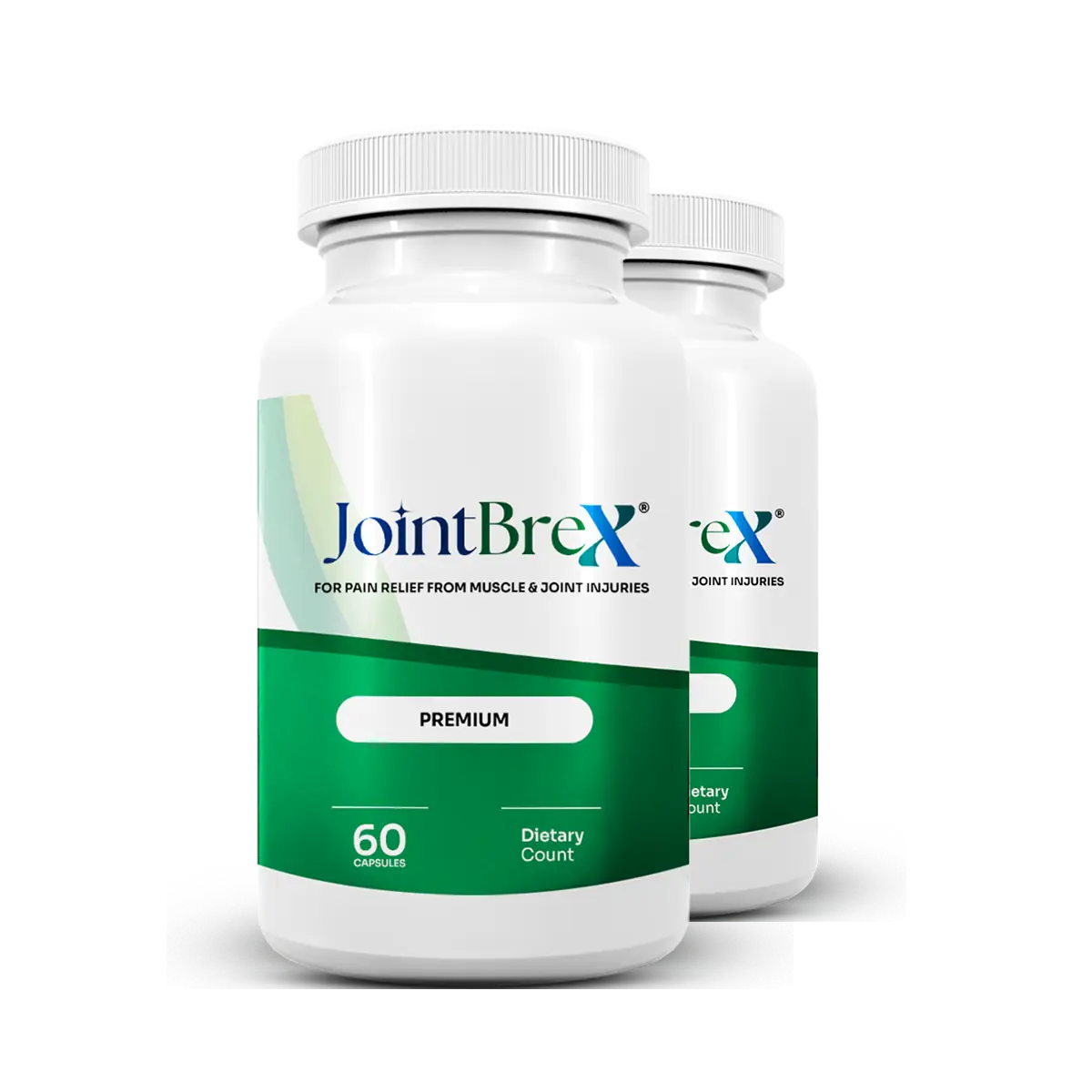
- Lowest per-bottle rate
- Includes the 5 digital bonuses
- 60-day guarantee
Struck-through figures are the manufacturer's published reference prices, not evidence that the product ever sold at them. "View Details" opens our pricing page and the official checkout link. We may earn a commission at no extra cost to you.
Pricing and the Figures That Conflict
Some people will read the comparison and want to try it anyway, which is a legitimate choice. If that is yours, the pricing page carries current totals, the numbers that do not agree between tables, and the interactions to raise with a pharmacist.
Pricing and Warnings →