How to Compare Two Supplement Labels in Five Minutes
Put two panels side by side and work through these in order. It takes about five minutes and it is more useful than any review.
Check one: serving size
How many capsules make up everything listed below? If one product needs two capsules and the other needs one, every subsequent comparison has to account for that. This is the check people skip most often and it invalidates everything after it.
Check two: servings per container
Multiply by serving size for the capsule count. Divide the price by servings for cost per day. Now you can compare prices meaningfully, which you could not before.
Check three: the standardisation percentage
In brackets after each extract name. Multiply it by the extract weight. That is the amount of the compound you are buying.
Where there is no percentage — just a ratio like 4:1, or nothing at all — treat the active content as unknown. Do not assume the industry-typical figure; the label chose not to commit to it.
Check four: cost per unit of active
Cost per day divided by active milligrams per day. This single number is what the whole exercise is for, and it frequently differs between two products by a factor of ten or more.
Check five: the other ingredients line
Below the panel in smaller type. Capsule material lives here — gelatin is animal-derived and rules a product out for vegetarians and vegans. Allergens appear here too, and so do fillers.
Check six: does the panel match the front of the bottle?
And the advertising, if you can still see it. Every ingredient promoted should appear on the panel. Where one does not, you have learned something more important than any of the preceding five checks.
What you have after five minutes
Two products ranked by how much of the thing you want each supplies per dollar, plus a flag on any label that does not permit the calculation. No expertise, no trust in anyone's review, and no reliance on the front of the packaging.
The one thing labels cannot tell you
Whether the contents match the label. That requires third-party testing, and a certificate of analysis is worth asking for. But given that most products fail the six checks above long before that question arises, it is rarely the bottleneck.
Sources
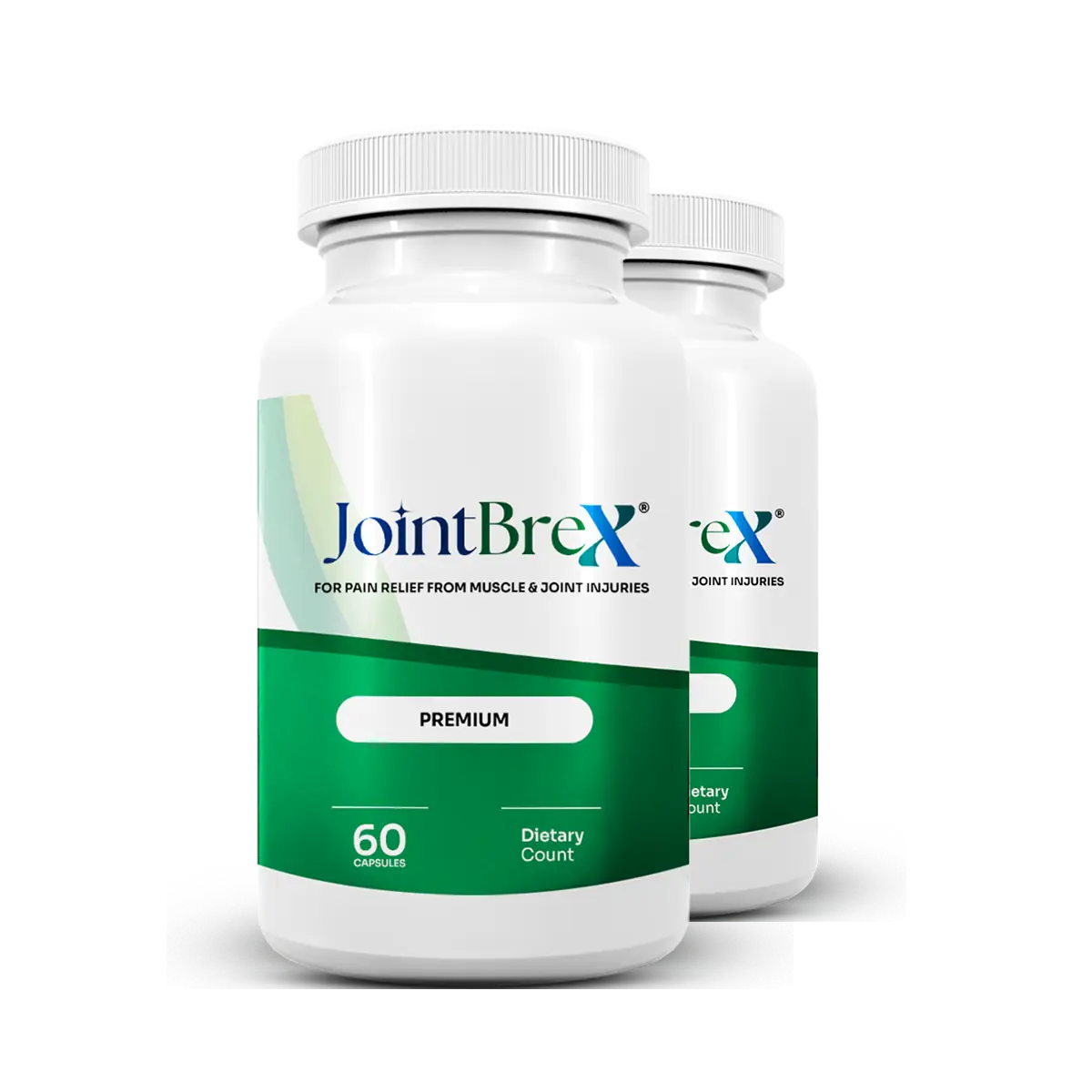
Pricing and the Figures That Conflict
Some people will read the comparison and want to try it anyway, which is a legitimate choice. If that is yours, the pricing page carries current totals, the numbers that do not agree between tables, and the interactions to raise with a pharmacist.
Pricing and Warnings →