Price Anchoring and the Crossed-Out Number
Almost every supplement sold direct shows a crossed-out price above the real one. It is worth understanding what that number is for.
What anchoring does
Presented with $1,074 struck through and $294 beside it, most people evaluate $294 in relation to $1,074 rather than in relation to what the product contains. The first number sets the frame; the second looks like relief.
This works even on people who know it is happening, which is why it is used so consistently.
What the crossed-out number usually is
A reference price published by the seller. It is not necessarily a price the product ever sold at, and there is often no way to establish that it was.
On the sales page we examined, the reference figures are $358, $537 and $1,074. We found no evidence of the product changing hands at any of them. That is why we exclude them from every calculation on this site and note it in the small print under each price table.
The counter-move
Cover the crossed-out number with your thumb. Ask whether the remaining price is reasonable for the contents. If the answer changes when you uncover it, the anchor was doing the work rather than the product.
The related techniques
Decoy pricing. Three options where the middle one is deliberately poor value, making the largest look sensible. Notice how often the six-bottle kit is presented as the obvious choice.
Per-day framing. "Less than a cup of coffee a day" reframes a few hundred dollars as trivial. The total is still the total, and the coffee is not being bought instead.
Bonus stacking. Digital extras with stated values that add up to a large figure. The values are set by the seller and there is no market where they trade.
Countdown timers. Manufactured scarcity on a digitally fulfilled product where scarcity cannot exist. The page we examined runs a thirty-minute timer.
What to substitute
Cost per unit of active. It is immune to all of the above, because it only uses two numbers: what you pay and what you get. Anchors, decoys and bonuses do not appear in it.
Why this is not an accusation
These techniques are ubiquitous across retail and mostly legal. Recognising them is not about identifying villains — it is about ensuring the number you evaluate is the one that describes the transaction.
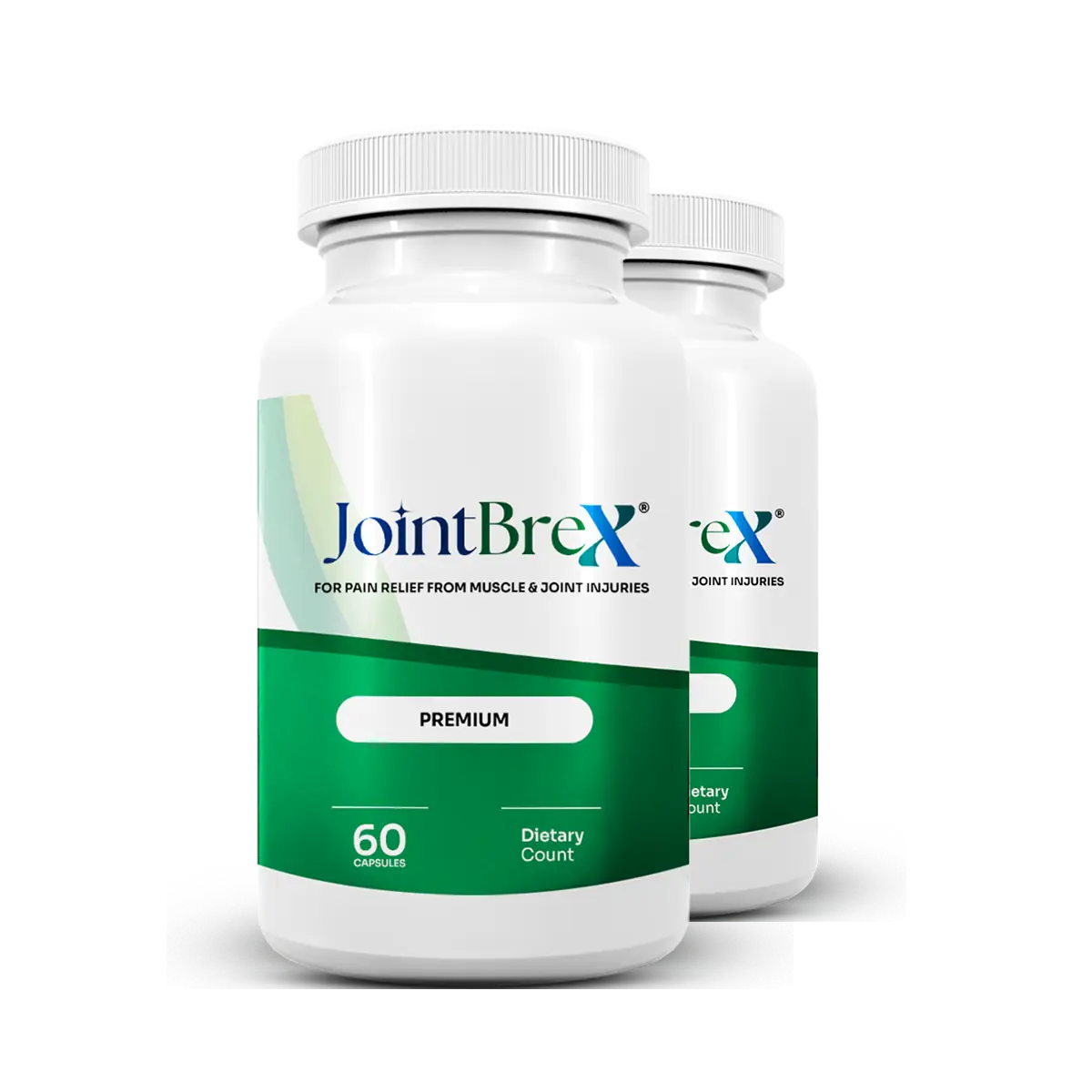
Pricing and the Figures That Conflict
Some people will read the comparison and want to try it anyway, which is a legitimate choice. If that is yours, the pricing page carries current totals, the numbers that do not agree between tables, and the interactions to raise with a pharmacist.
Pricing and Warnings →